I messaged five startups in Amsterdam on LinkedIn without any warm connection. Replies: zero. Going through HPI alumni, on the other hand, worked really well.
Quick context. HPI Engine is the entrepreneurship unit of HPI. A startup tour is three to four days in a European startup hub, 15 to 22 people, eight to ten visits at startups and VCs, free for students. The idea behind it: the fear of founding goes down once you see that founders are normal people with normal problems. In 2025 I was a participant myself. Since February I’ve been on the startup team organising the tours, about four hours a week, as equals with Sebastian. Each tour runs on a budget of around 6,000 euros.
Munich was in early May. A full day at NVIDIA, plus First Momentum Ventures, Tacto with their CEO, CTO and developers, Lio, Marvel Fusion and Celonis, among others. Even there the pattern showed: my LinkedIn requests got answers as soon as the HPI alumni angle was in them.
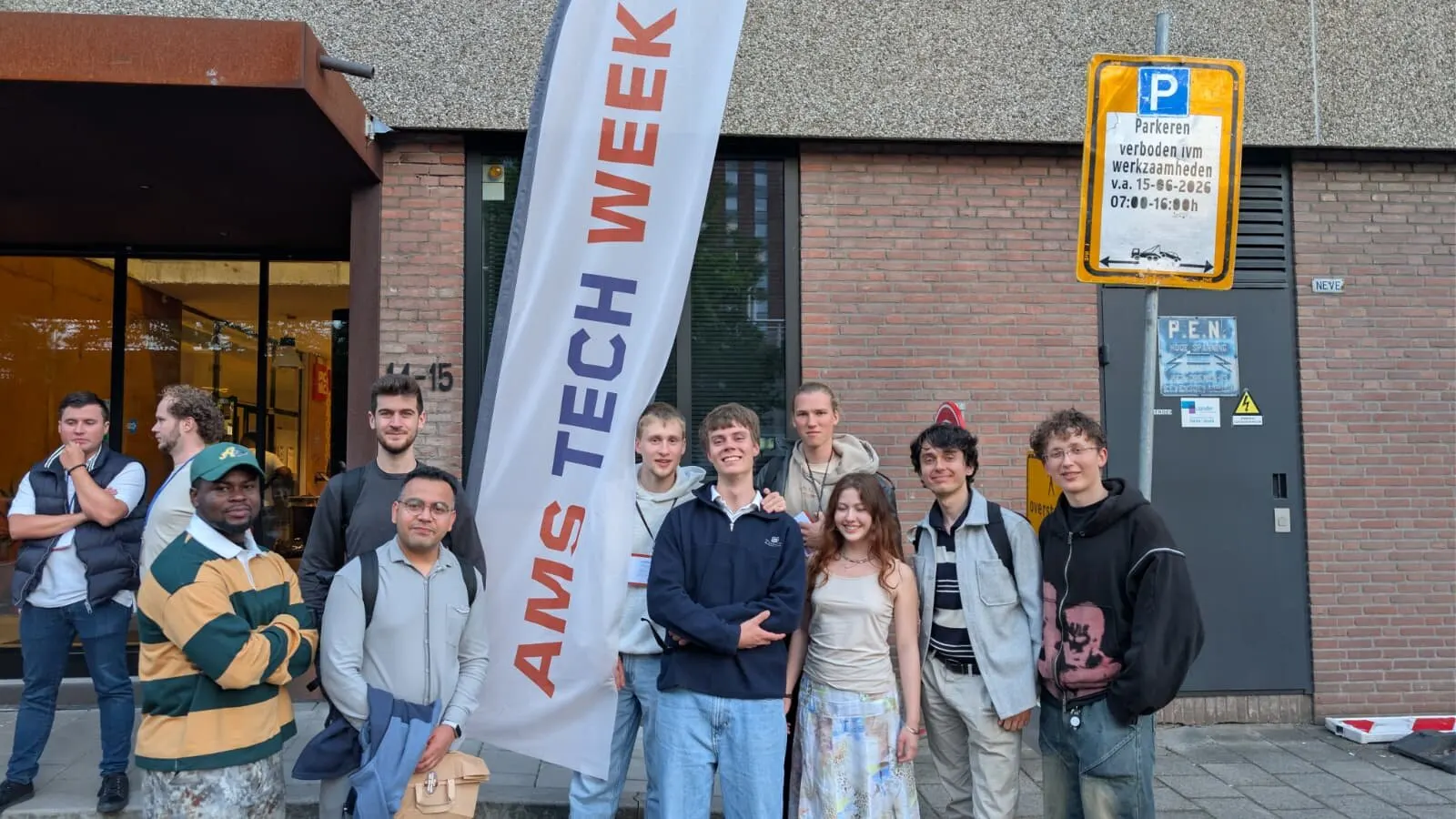
Amsterdam in June was smaller. DuckDB, Flow Traders, Amsterdam Tech Week with founder talks, and Antler. Two stops were weak in my view, because the people in front of us didn’t know the product in depth. I wrote that down in the retro as it was.
In the feedback meeting this month the verdict was: both tours worked, Munich almost perfectly. And we put into words what makes a good stop. At least one person with a founder’s or leadership view, plus one who can go deep into the product technically. Sounds obvious. Before, it wasn’t written down anywhere.
So I wrote down the whole tour process for the first time, from four months before to one week after, with the selection scheme and a retro template, so new people on the team don’t start from zero. And every request now follows one rule: warm path first, cold outreach only if there isn’t one.
How a request gets written is now fixed too. I set up a workspace in Claude Code for it, with context on Engine, the previous tours, the visit format and our writing style. Every message runs through several stages. First at least three anchors you can verify, one of them from something the person built or wrote themselves. Then the draft, a critique against a list of typical AI phrasing, cutting a third, and a comparison with good examples. Picking participants is structured in a similar way: an application with a motivation letter, a scoring scheme, and two people who rate independently.
Tools and skills: Notion for planning and tracking, LinkedIn and email for outreach, Claude Code for research and drafts, a scoring scheme for selection, budget planning and travel expense claims, retros and process documentation.
Next tour is Zurich in November. This time we’re building the candidate list through warm channels from day one.